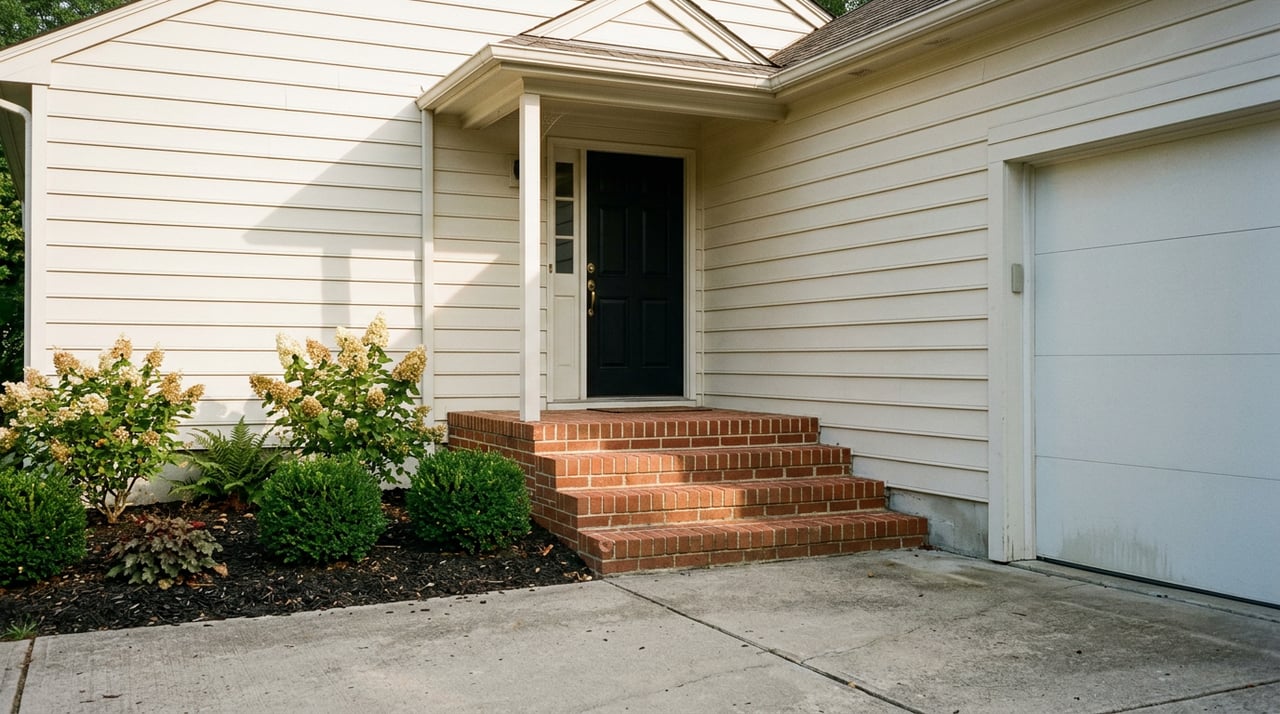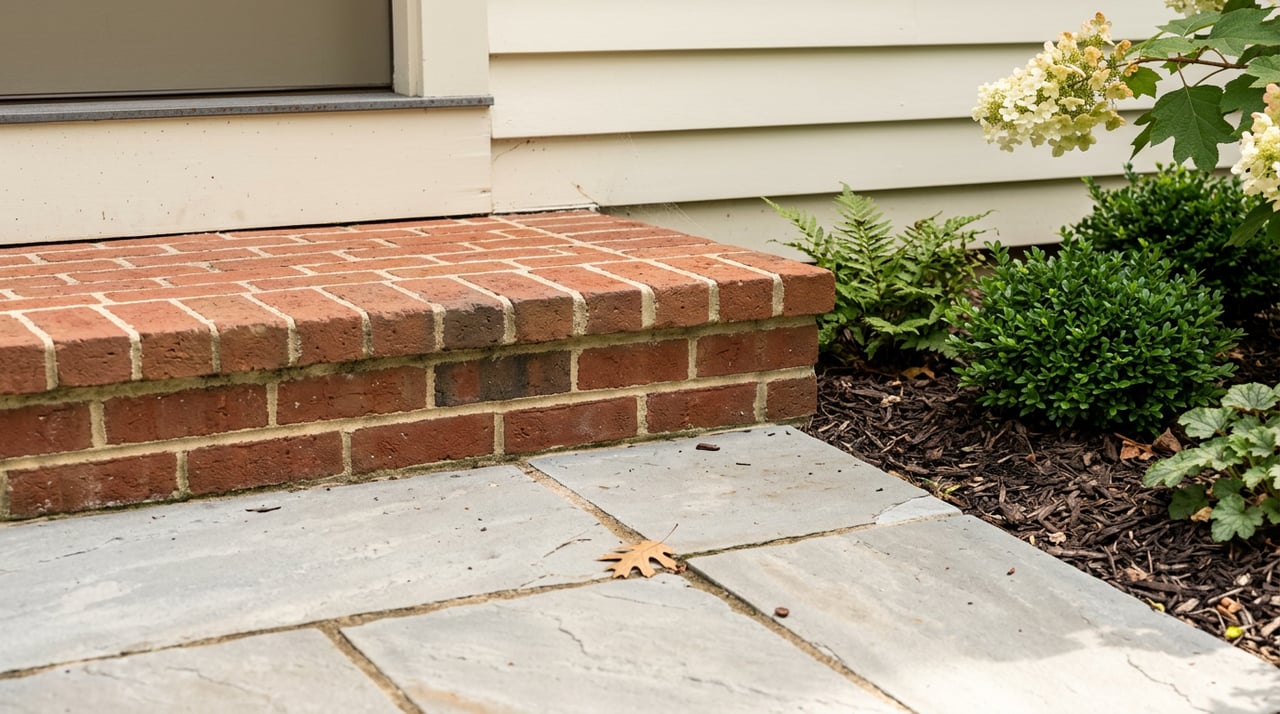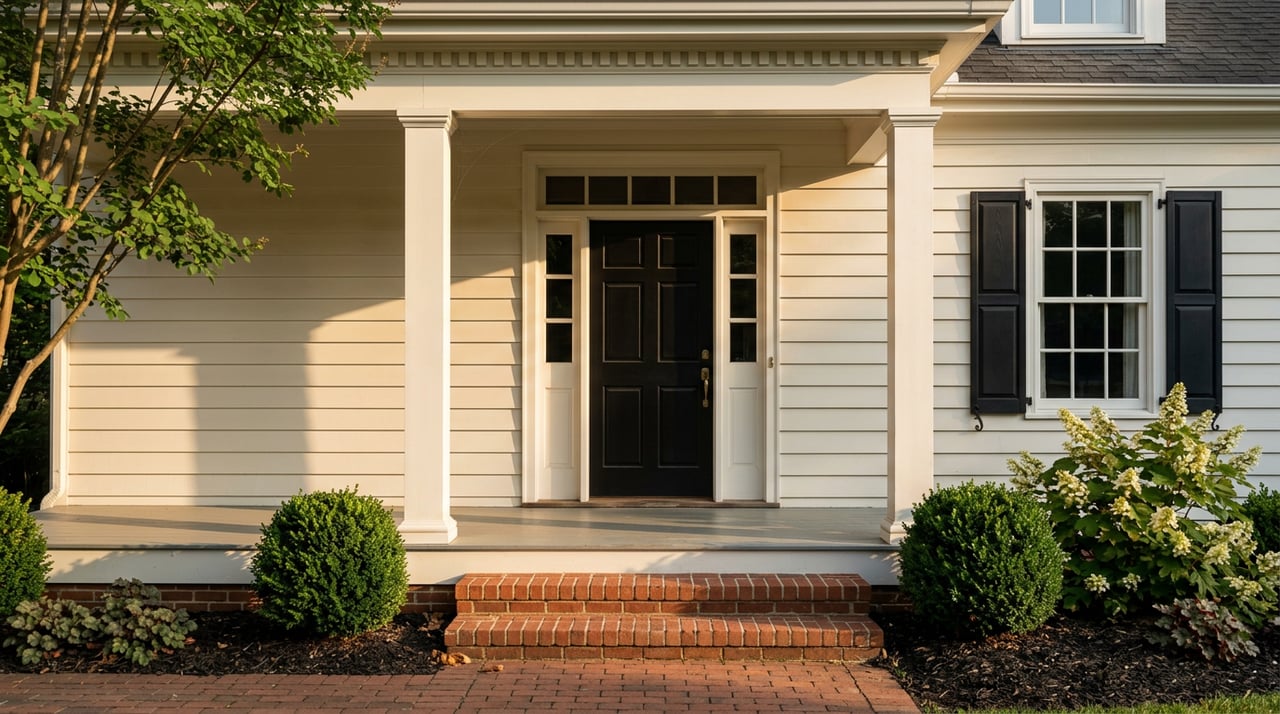
A buyer closes on a two-story house two blocks off Washington Street, the kind of place with original hardwood and a wraparound porch that made the listing photos irresistible. First cold snap arrives, and the original windows leak air like a screen door. The buyer calls a contractor, gets a quote, and assumes the next step is a building permit. It isn't. Because that house sits inside Lewisburg's Historic District, the contractor's first move is to tell the buyer they need a Certificate of Appropriateness before the city will even look at a permit application. The window replacement gets pushed to spring, not because the work is hard, but because nobody mentioned the approval step at the walkthrough.
That gap between what a buyer sees on the listing and what a buyer discovers after closing is the story the median price in Lewisburg never tells. And it explains more of the spread in this market than square footage or year built ever will.
The Six-Week Clock Nobody Mentions at the Walkthrough
Any exterior change to a building inside Lewisburg's Historic District needs a Certificate of Appropriateness before a building permit can be issued, according to the city's own planning and zoning guidance. That covers new windows, roofing, additions, fences, decks, even paint colors if they're visible from a public street. It does not cover interior work. Gut a kitchen, refinish floors, rewire a panel: none of that triggers Commission review, though it may still need a standard building permit.
The Historic Landmarks Commission meets on the second Monday of most months at City Hall to review applications. If the Commission fails to act within 45 days of a completed application, the request is automatically approved unless both sides agree to an extension. That 45-day window is the real transaction detail here. It means a renovation timeline inside the district has a built-in waiting period that a comparable house three miles out simply doesn't carry. A buyer planning to close in October and finish exterior work before winter needs to account for at least one Commission meeting cycle, sometimes two, before a shovel goes in the ground.
None of this is a reason to avoid a historic property. It's a reason to ask about it before writing an offer, not after.
Where the Line Actually Runs
The Historic District covers roughly 236 acres in the heart of town, a designation on the National Register of Historic Places that dates back to 1978. Inside that boundary, the rules above apply to every exterior change. Outside it, a homeowner three streets over from downtown can swap windows, add a deck, or repaint without ever filing for a Certificate of Appropriateness.
That's the part a median price obscures. Two houses can sit a quarter mile apart, both marketed as "Lewisburg," both close to the same restaurants and the same walk to Carnegie Hall, and carry entirely different rulebooks for what an owner can do to the exterior once the sale closes. One is a fixed asset in a preservation framework. The other is a blank slate. The listing price doesn't distinguish between them. The parcel's location relative to that boundary does.
The Newer Fork: What Freedom From Review Actually Buys
Ivy Terrace, a newer gated townhome community within walking distance of both downtown and the West Virginia School of Osteopathic Medicine, sits outside the historic boundary and outside its review process entirely. These are fiber-cement, low-maintenance builds with an HOA fee that runs around $2,400 a year, and an owner here can change a door color or add a patio cover without a Certificate of Appropriateness in sight. The tradeoff is straightforward: less character, less friction. No original 1900s millwork, but also no 45-day clock standing between a homeowner and a finished project.
This is the honest comparison a buyer should be making, not "historic downtown versus everywhere else," but "restricted exterior, unrestricted interior, possible tax upside" versus "full design freedom, standard HOA rules, no preservation premium." Both are legitimate ways to own a home in Lewisburg. They are not the same purchase, even when they land in a similar price band.
What the Median Actually Blends Together
As of July 2026, the median home price in Lewisburg sits around $365,000, with listings ranging from roughly $215,000 up to $2.5 million and homes spending an average of about 75 days on market. That range is wide even for a small market, and the historic boundary is a meaningful part of why. A $2.5 million estate on multiple acres outside the district carries no design review at all. A modest 1900s cottage two blocks from downtown, priced well under the median, carries a full Certificate of Appropriateness requirement for anything visible from the street. The number in the middle flattens both of those realities into a single figure that describes neither property accurately.
A buyer comparing two listings at $349,000, one inside the boundary and one outside, isn't choosing between two versions of the same product at the same price. They're choosing between two different sets of future obligations that happen to cost the same today.
The Credit That Can Offset the Restriction
Here's the part that rarely makes it into a walkthrough conversation: owning inside the Historic District also opens the door to a real financial incentive. West Virginia offers a 20 percent state income tax credit on approved rehabilitation of a certified historic residential structure, administered through the state's Schedule RBIC-A program. To qualify, the rehabilitation expenses have to equal at least 20 percent of the structure's assessed value from the year before the work began, not counting the land, and those expenses need to fall within a 24-month window the taxpayer selects.
The credit only applies to work certified as consistent with the Secretary of the Interior's standards for rehabilitation, and the state's own guidance is blunt about the order of operations: owners who start work before getting it reviewed do so at their own risk. In practice, that means a buyer who wants both the exterior overhaul and the tax credit needs to loop in the State Historic Preservation Office before the contractor breaks ground, not after the Commission approves the Certificate of Appropriateness. Two separate reviews, two separate timelines, one house.
For a buyer weighing a $400,000 historic rehab against a similarly priced move-in-ready home outside the district, that 20 percent credit is a real number worth running past a tax professional before deciding the restriction outweighs the upside.
Questions Worth Asking Before You Write the Offer
A few questions turn this from an abstract boundary line into a practical due-diligence checklist:
Has any exterior work been done on this house without a Certificate of Appropriateness on file? Unpermitted exterior changes inside the district can complicate future applications, since the Commission may ask for as-built documentation before approving new work.
If I'm planning exterior renovations, what's the realistic timeline once I own this, given the second-Monday meeting schedule and the 45-day review window?
If I want the rehabilitation tax credit, have I contacted the State Historic Preservation Office before signing a contractor agreement, not after?
Is this parcel actually inside the 236-acre boundary, or does it just market itself as "historic downtown" while sitting outside the review area? The two are not always the same thing, and a title company or the city's planning office can confirm which side of the line a specific address falls on.
FAQ
Does the Historic District restrict what I can do inside my own home? No. The Historic Landmarks Commission reviews exterior changes visible from a public way. Interior renovations, from kitchens to wiring, fall outside its jurisdiction, though they may still require a standard city building permit.
What happens if I make an exterior change without a Certificate of Appropriateness? The city's ordinance treats this as a compliance issue that can require retroactive review and correction. It's a much harder conversation to have after the work is finished than before it starts.
Is the 20 percent tax credit only for investment properties? No. West Virginia's residential credit, Schedule RBIC-A, applies to owner-occupied certified historic structures, separate from the state's commercial rehabilitation credit program.
The line around downtown Lewisburg isn't a reason to rule a house in or out. It's a detail that changes what ownership looks like on the other side of closing, and it's worth knowing which side of that line you're standing on before you make an offer.
If you're weighing a historic property against something newer in Lewisburg and want a straight answer about what a specific address means for your timeline and budget, Mendy Harvey can walk through it with you before you write the offer, not after.